Religious Giving
Islamic giving turns faith into action. Zakat, Sadaqah and Fitraana each carry their own obligation and their own reward, and together they sustain the people around us who are struggling most. Penny Appeal South Asia exists to carry that generosity the last mile — transforming what you give into meaningful, dignified support for vulnerable communities across south asia and globally
Supporting Our Community. Serving Our Ummah
We believe that communal strength begins with true compassion for each other. Through your generosity, the Penny Appeal South Asia provides essential support for those facing hardship helping every member of our Ummah live with dignity and purpose.
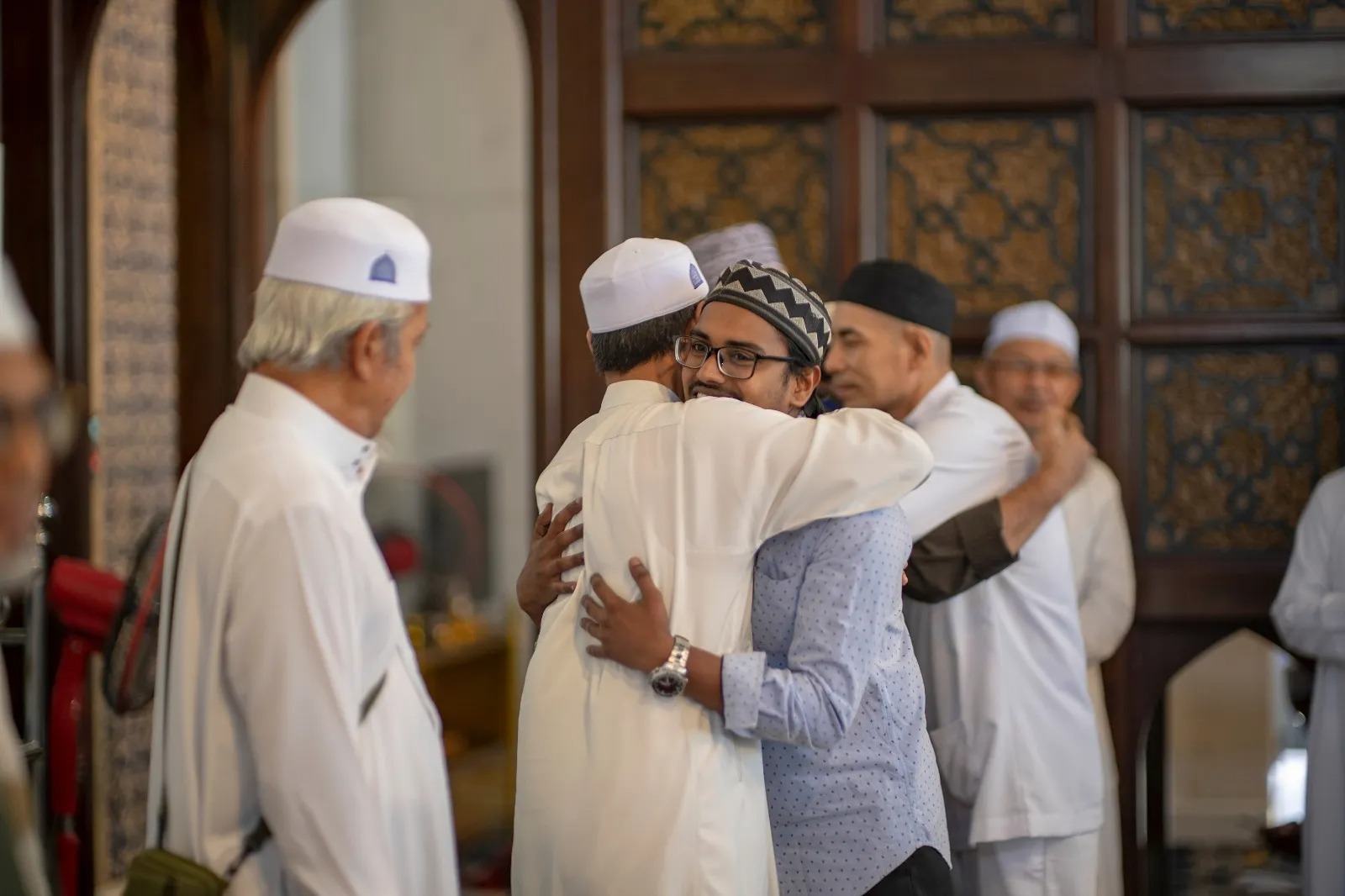
Zakat Programmes
Financial Hardship
Every day, families across Sri Lanka struggle to meet their most basic needs — food, shelter, medicine, and utilities — due to job loss, illness, or economic hardship. Through our Financial Hardship program, Penny Appeal South Asia provides direct, dignified support to individuals and families facing acute financial crisis, helping them cover essential living costs and regain stability. Guided by the principles of Zakat, every contribution is channeled to those who are verified to be most in need, ensuring that help reaches the people who need it most, when they need it most.
Debt Relief
Debt can trap families in cycles of poverty that are nearly impossible to break alone, forcing difficult choices between repaying loans and putting food on the table. Our Debt Relief initiative helps eligible individuals — those burdened by loans taken out of necessity rather than luxury — settle outstanding debts and reclaim their financial independence. By easing this burden, we help restore not just financial stability, but also the dignity and peace of mind that comes with being free from the constant pressure of unpaid obligations.
Scholarships
Education is one of the most powerful tools for breaking the cycle of poverty, yet many bright and deserving students in Sri Lanka are unable to pursue their studies due to financial constraints. Our Scholarships program provides financial assistance to students from low-income families, covering tuition, school supplies, and related educational expenses so that talent and determination — not financial hardship — determine a child’s future. By investing in education today, we are investing in a stronger, more self-sufficient community for tomorrow.
Convert Care
New Muslims often face unique challenges after embracing Islam, including strained family relationships, loss of financial support, and the need for guidance as they navigate their new faith and community. Our Convert Care program offers both material and emotional support to reverts, including financial assistance, access to Islamic education, and a welcoming community network. We are committed to ensuring that no one who chooses this path walks it alone, providing the care and resources needed to help them build a stable and fulfilling life within their new faith community.
Domestic Violence Survivors
Survivors of domestic violence often face not only emotional trauma but also financial insecurity and the daunting task of rebuilding their lives from scratch. Our Domestic Violence Survivors program provides critical support — including emergency financial aid, safe housing assistance, and resources to help survivors and their children achieve independence and safety. We work with compassion and confidentiality to empower survivors to move forward with dignity, ensuring they have the practical means to start anew.
Single Parents
Raising a family alone brings immense emotional and financial responsibility, and single parents — often mothers — frequently bear this weight with limited support. Our Single Parents program provides targeted financial assistance to help cover essential needs such as housing, education, and daily living expenses, easing the burden on those raising children single-handedly. Our goal is to give single-parent households the stability and support they need to provide a secure and nurturing environment for their children.
What Is Zakat?
Performing Zakat is a form of worship that involves utilizing the wealth bestowed upon us by Allah, with the aim of removing any impurities from our earnings and ensuring that surplus wealth is shared among those who are less fortunate. As a religious obligation, it must be carried out by any sane Muslim who has attained puberty and owns assets that exceed the minimum threshold (Nisab). This involves donating 2.5% of one’s total assets to support the needs of the poor and needy.
The third fundamental principle of Islam is Zakat, which entails giving a designated portion of one’s wealth to specific underprivileged individuals. It’s essential to note that Zakat is not a tax or a form of charity; rather, it is a mandatory act of worship prescribed by Allah (swt) that highlights the responsibility and obligation the affluent have towards the less fortunate.
Why Zakat Should Be Given in Islam
Zakat is one of the Five Pillars of Islam — a mandatory act of worship, not an optional charity. Here is why every eligible Muslim is required to give it.
A Direct Command from Allah
Zakat is mentioned alongside prayer (salah) dozens of times in the Qur’an, making it one of Islam’s most emphasized obligations — a required act of worship, not a voluntary gesture.
Purification of Wealth and Self
The word “zakat” means purification and growth. Paying it purifies the remainder of one’s wealth and purifies the giver from greed, materialism, and attachment to worldly possessions.
Social and Economic Justice
Zakat redistributes wealth — typically 2.5% of qualifying savings and assets annually — from those with surplus to those in need, reducing inequality and poverty within the community.
The Right of the Poor, not a Favour
Islamic teaching holds that zakat is the rightful due of the poor on the wealth of the rich, not an act of generosity the wealthy choose to extend. The Qur’an names eight categories of eligible recipients, including the poor, the needy, debtors, and travellers in need.
Communal Responsibility and Solidarity
Zakat reinforces mutual responsibility within the Muslim community (ummah), ensuring basic needs are met and strengthening bonds across economic classes.
Spiritual Reward and Accountability
Fulfilling this obligation brings blessings (barakah) in this life and reward in the hereafter, while withholding it when able is regarded as a serious sin.
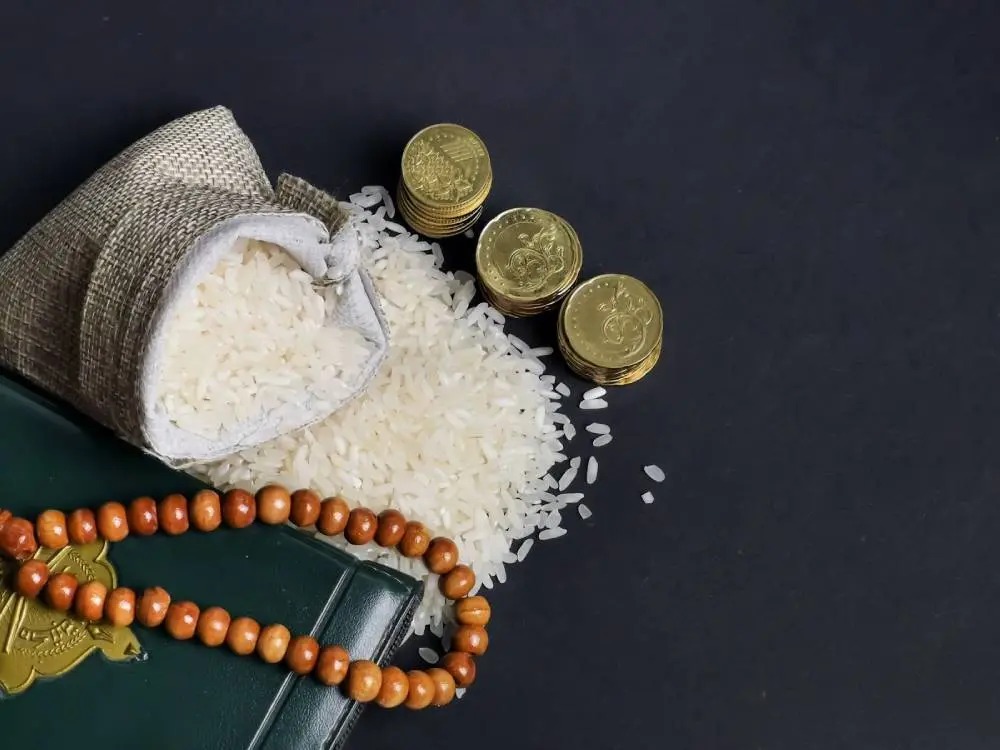
Transform Lives with Your Zakat
At Zakat Foundation Sri Lanka, we believe in the transformative power of Zakat to uplift communities and support those in need. Your decision to ‘Donate Zakat to ZFSL’ is a sign that you doing this action firstly to please your creator and secondly to make sure your fellow brothers and sisters in faith benefit from your act of kindness. In every Zakat donation lies the potential to change lives, reflecting the compassionate spirit of Islamic philanthropy.
Your Zakat is more than just a religious obligation; it’s a bridge of hope and solidarity. Guided by the principles of Islamic charity, we ensure that your generosity reaches and positively impacts the lives of the underprivileged. From providing essential aid to supporting sustainable development, your Zakat donations are a source of relief and joy for many.
Support the Vulnerable
Zakat is a mandatory charitable obligation for eligible Muslims and a powerful means of supporting those in need. Through Zakat contributions, we provide essential assistance to vulnerable individuals and families, including monthly food support, Ramadan relief packages, educational scholarships for children from low-income households, and access to safe drinking water through community-based water projects, financial hardship support, convert community care, debt relief support, scholarships, domestic violence survivors support, single parents and orphan care. By transforming compassion into action, Zakat helps strengthen communities, alleviate hardship, and create opportunities for a more dignified and sustainable future.
Your contribution can help more vulnerable people’s access these basic needs in Sri Lanka
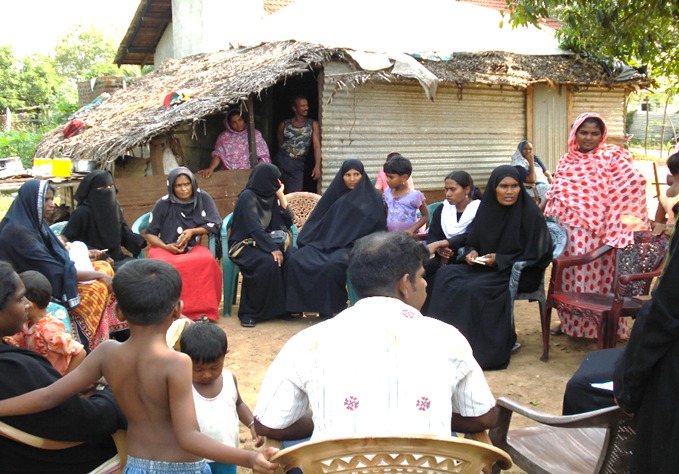
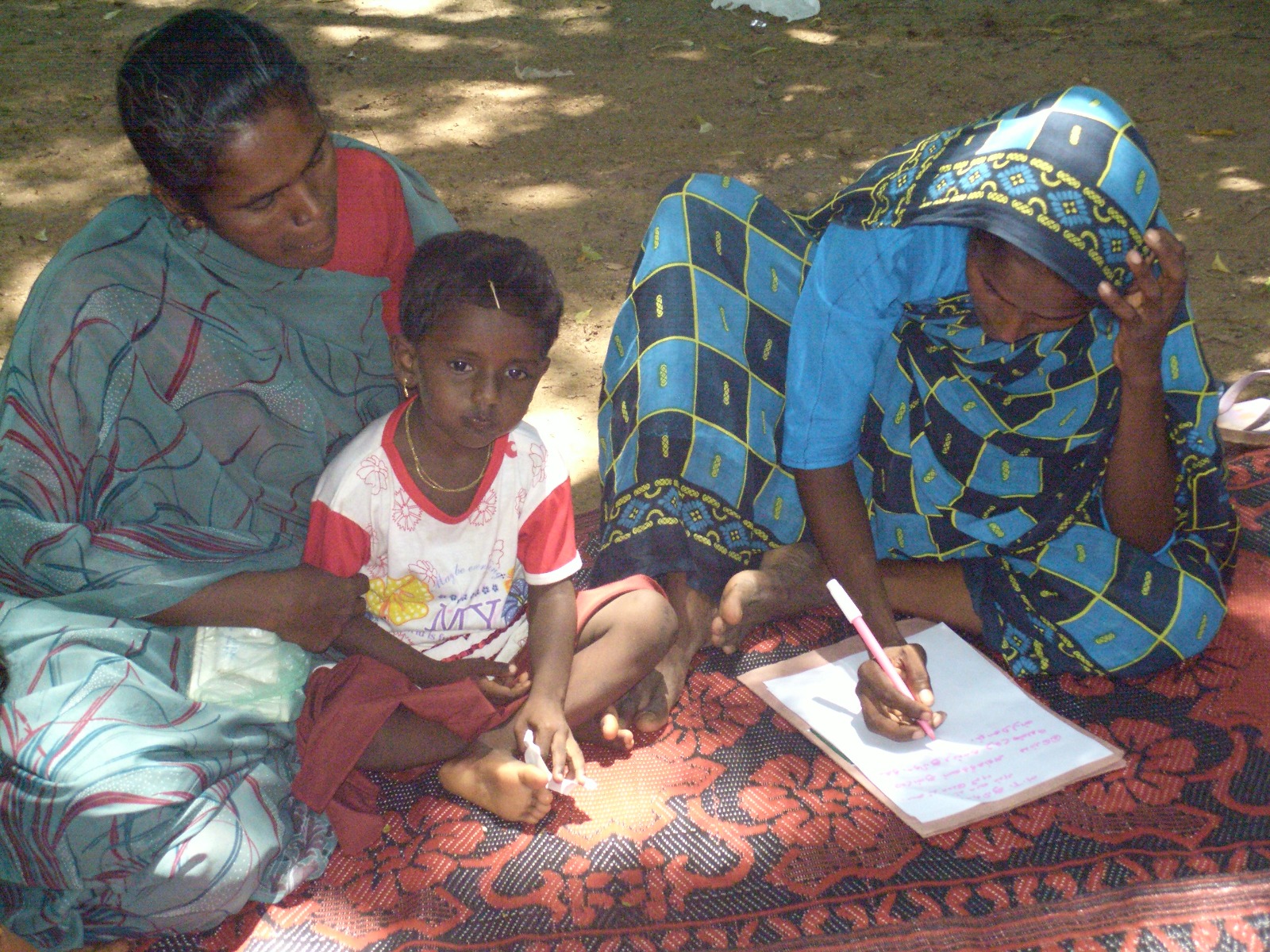
The Impact of Zakat
Globally, Zakat has played a powerful role in lifting people out of poverty. As a structured system of wealth redistribution, it ensures that support reaches individuals facing hardship. In Sri Lanka alone, Zakat has contributed to a 7.5% reduction in poverty and a 14.2% narrowing of the poverty gap. Your Zakat can fill an empty plate, provide warm clothing in winter, fund a child’s education, pay for urgent medical care, and ease the daily struggles of those living on the edge.
Reduction in poverty
Narrowing of the poverty gap
Sahih al – Bukhari
How Your Zakat Can Make a Difference
Zakat (obligatory almsgiving in Islam) Difference the lives of the poor in several key ways
Direct Financial Relief
Provides poor and needy individuals with money or goods to meet basic needs like food, clothing, and shelter.
Reduces Poverty & Inequality
Redistributes wealth from the rich to the poor, narrowing the gap between social classes.
Promotes Dignity
Since Zakat is a religious duty (not charity given out of pity), recipients receive help without feeling humiliated or indebted to the giver.
Supports Debt Relief
Helps free people burdened by debt, easing their financial and mental stress.
Enables Self-Sufficiency
Funds can help the poor start small businesses or gain skills, helping them become financially independent over time.
Strengthens Social Bonds
Encourages a sense of community, compassion, and solidarity between the wealthy and the less fortunate, reducing resentment and social tension.
Give Sadaqah & Alleviate Poverty
What is Sadaqah?
Sadaqah is a voluntary act of charity in Islam that brings immense benefits to both the giver and the recipient, in this world and the Hereafter. It is a means of earning blessings (barakah), supporting those in need, and fostering compassion within society. As one of the most valued forms of charitable giving, Sadaqah strengthens communities, promotes social solidarity, and enables collective support during times of hardship, emergencies, and crisis.
Why Give Sadaqah?
Your Sadaqah can help you and others in the following ways
Purification of Wealth and Soul
Sadaqah cleanses the heart from greed and attachment to material things. Giving even a small amount regularly softens the heart and builds gratitude, reminding the giver that all provision ultimately comes from Allah.
A Shield Against Hardship
Islamic tradition teaches that charity protects the giver, often described as a means of warding off calamity and easing difficulties in this life. Many Muslims give Sadaqah specifically when facing a challenge, illness, or uncertainty, trusting that generosity opens doors to relief.
Multiplied Rewards
Unlike Zakat, which is obligatory and calculated, Sadaqah is voluntary and unlimited, meaning its rewards are not capped. A single act of kindness, no matter how small, is described in Islamic teaching as capable of growing into something far greater in the sight of Allah.
Sadaqah Jariyah — Ongoing Reward
Certain forms of Sadaqah continue to benefit people long after the giver has passed away, such as funding a well, a school, an orphanage, or sustainable aid projects. This is called Sadaqah Jariyah (continuous charity), meaning the giver keeps earning reward even after death, as long as the benefit continues.
Strengthening Community Bonds
Sadaqah is not just a personal spiritual act, it is a social one. It redistributes wealth, eases the burden on the poor, and creates a culture of mutual care. In a country like Sri Lanka, where many communities face economic hardship, natural disasters, or the lingering effects of crisis, Sadaqah becomes a vital lifeline connecting those with means to those in need.
A Reflection of Faith and Compassion
Ultimately, giving Sadaqah is an expression of iman (faith) in action. It embodies the Islamic values of compassion, brotherhood, and social justice, values that don’t just benefit the recipient, but shape the giver into a more generous, mindful, and community-conscious person.
Bringing Hope Back to Poor and Vulnerable Sri Lankan Muslim Communities
Sadaqah is the Islamic practice of voluntary charity given purely for the sake of Allah’s pleasure, distinct from the obligatory Zakat. The six initiatives below outline how Sadaqah can directly support vulnerable communities, spanning urgent relief and long-term, self-sustaining impact.
Medical Aid
Sadaqah given toward medical treatment, medicines, or hospital costs for those who cannot afford care is considered one of the highest forms of charity, since preserving life and relieving suffering is central to Islamic teachings. It directly fulfills the principle that saving a single life is equivalent to saving all of mankind.
Orphan & Single Parents Help
Supporting orphans holds a special place in Islam. The Prophet (peace be upon him) described himself and the caretaker of an orphan as being joined together in Paradise, like two fingers held side by side. Sadaqah directed to orphans and single-parent households, covering basic needs, guardianship support, or upbringing costs, is seen as deeply rewarding charity.
Build a Water Well
Known as Sadaqah Jariyah, or ongoing charity, a water well keeps benefiting people long after the original donation is made. Every person and animal that drinks from it continues to bring reward to the donor, even after death. This is one of the most valued Sadaqah Jariyah projects because of its lasting, communal impact.
Housing and Shelter
Providing shelter to displaced or homeless families is a tangible, protective form of Sadaqah, fulfilling the basic human right to safety and dignity. This can range from emergency shelter to the rebuilding of homes destroyed by conflict, disaster, or poverty.
Food Aid
Feeding the hungry is repeatedly emphasized in the Qur’an and Hadith as a hallmark of righteousness. Sadaqah for food distribution, whether through daily meals, food parcels, or seasonal meat distribution, addresses one of the most immediate and universal needs of vulnerable communities.
Muslim Marriage Support
Helping couples who cannot afford marriage costs, such as mahr, wedding expenses, or setting up a household, is valued as charity that protects families and communities from hardship. It is also linked to easing social difficulties that arise from financial barriers to marriage.
Together, these categories reflect the broad scope of Sadaqah in Islam. It is not limited to money alone but extends to any act that relieves hardship — from immediate relief such as medical care, food, and housing, to lasting, self-sustaining impact through wells and marriage support.
Bring Smiles with A Fitrana Donation
Given before the Eid prayer at the end of Ramadan, Fitraana completes the fast and makes sure no family is left out of the celebration.
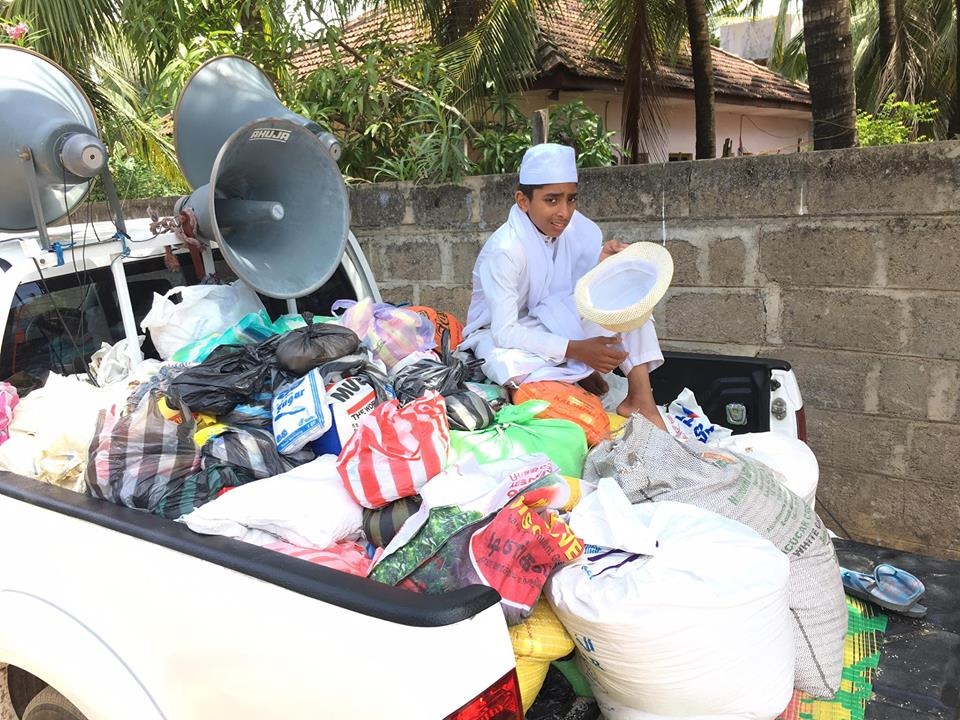
What Is Fitraana (Zakat Al-Fitr)?
Fitraana, also known as Zakat al-Fitr, is a mandatory charitable contribution given by Muslims at the end of Ramadan before the Eid prayer. It serves as a means of purifying one’s fast and ensuring that vulnerable individuals and families have the opportunity to celebrate Eid with dignity and joy. By supporting those in need, Fitraana promotes compassion, social inclusion, and shared well-being within the community.
Zakat Foundation Sri Lanka helps your Fitrana reach families in Sri Lanka who are waiting for help.
Why Should Muslims Give Fitrana?
For Muslims, Fitrana is a spiritual obligation and an act of compassion that brings blessings to you and the needy
Purify Your Fast
Fitrana acts as a cleanser for any shortcomings during Ramadan. Your act of charity will support others, as well as you, in the Akhirah.
Spread Eid Joy
Your Fitrana ensures that widows, orphans, and struggling families are not left behind and can share the happiness of Eid
Multiply Your Reward
End the month of Ramadan with a charity that multiplies your blessings. Don’t miss this final act of giving before Eid.
Who Receives Your Fitrana?
Your Fitrana goes directly to families facing poverty and crisis. It enables them to enjoy Eid through
Food Packages Distribute
With your support, families across Sri Lanka receive rice, flour, lentils, and other essentials
Single Parents Support
Your Fitrana can help provide food packs to widows and women headed families with no stable income and on the verge of economic collapse
Clothing for Eid
Help them buy new clothes for their children and loved ones, so they too can smile on Eid.
Who Should Pay Fitrana?
Fitraana (Zakat al-Fitr) is obligatory upon every Muslim who possesses the means to give, regardless of age or gender. For children and dependents, the responsibility rests with their parents or guardians, and the head of the household is expected to pay Fitraana on behalf of all family members under their care. This important act of worship should be fulfilled before the Eid prayer to ensure its acceptance as Zakat al-Fitr and to enable vulnerable individuals and families to share in the joy and blessings of Eid. Through Fitraana, communities are strengthened, social solidarity is promoted, and those in need are supported with dignity and compassion.
Make an Impact with Your Lilah Donation
What Is Lilah?
Lilah is a voluntary form of Islamic charity given solely for the sake of Allah. It provides flexible support for a wide range of humanitarian and development initiatives, including education, healthcare, clean water, shelter, and community development projects. Through Lilah contributions, vulnerable communities are empowered, essential services are strengthened, and sustainable solutions are created to improve lives and build resilience in areas affected by poverty and crisis.
Community Welfare
Your Lilah helps build lasting change — not only emergency help, but long-term solutions like education, healthcare, and housing.
Given from the Heart
Lilah is completely voluntary. There’s no fixed amount; it’s all about giving sincerely, with love and for Allah’s pleasure.
Restrictions
Lilah can be used anywhere it’s needed. From schools and clinics to clean water and shelter, it’s a flexible charity for the sake of Allah.
Turn Your Obligation Into Someone’s Relief
Whether it is Zakat, Sadaqah or Fitraana, every contribution reaches a family in Sri Lanka who is waiting for help.